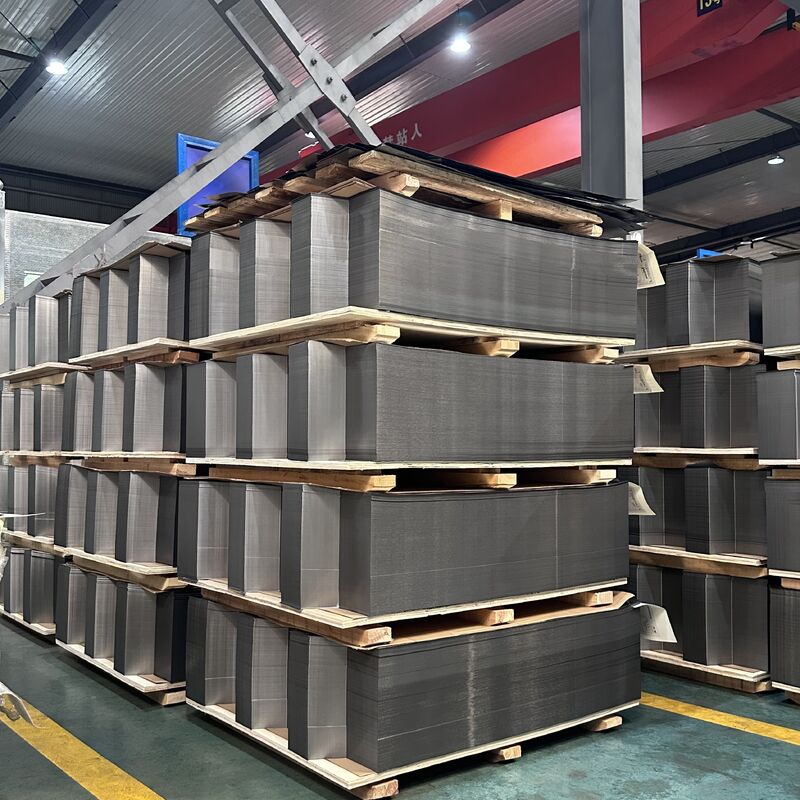
Phần 1: Giới thiệu sản phẩm
Trong lĩnh vực bao bì kim loại có sự cạnh tranh cao, việc lựa chọn nền tảng quyết định sự an toàn tối đa, tính toàn vẹn cấu trúc hóa học và tuổi thọ của thùng đã hoàn thành.Dòng tấm thiếc chuyên dụng của chúng tôi được sản xuất chính xác để phục vụ như một giải pháp đóng gói mật độ cao cho các chất lỏng công nghiệp hung hăngBằng cách sử dụng các quy trình cán lạnh tiên tiến theo sau là sự lắng đọng thiếc điện phân liên tục, thép carbon thấp được chuyển thành một thép mạnh mẽ,cấu trúc phòng thủ nhiều lớpCấu hình hóa học này cung cấp một rào cản đặc biệt giữ cho cả độ ẩm khí quyển bên ngoài và các hoạt động hóa học bên trong được cô lập hoàn toàn.
Mặc dù ban đầu được tối ưu hóa cho các ứng dụng công nghiệp như lon sơn, xô keo và xi lanh,Tiêu chuẩn chế biến của chúng tôi tuân thủ độ tinh khiết kim loại nghiêm ngặt cho phép kim loại này tăng gấp đôi như một vật liệu thực phẩm có thể hiệu quả- Vật liệu trải qua sự cân bằng căng thẳng cấu trúc và thụ động hóa học tiên tiến, kết quả là một hồ sơ bề mặt đặc biệt phẳng loại bỏ vi crack trong quá trình đánh dấu nặng,vẽ sâuĐiều này đảm bảo không có nguy cơ hỏng cấu trúc, rò rỉ thùng chứa,hoặc sự phân hủy rỉ sét môi trường trong suốt quá trình vận chuyển đường biển dài và vòng đời lưu trữ kéo dài.
Phần 2: Đặc điểm chính của sản phẩm
Hiệu suất dẫn đầu thị trường của các sản phẩm tấm thiếc của chúng tôi được thúc đẩy bởi các phát triển kim loại và kỹ thuật hóa học chính xác:
- Chống gỉ nhiều lớp tiên tiến: lõi thép thô được bảo vệ bởi một ma trận tích hợp có chứa một lớp hợp kim thép-thép, một lớp thép kim loại tự do và một bộ phim thụ động crôm vô cơ.Cấu trúc này chủ động chống lại oxy hóa khí quyển, ngăn ngừa sự hình thành rỉ sét bề mặt ngay cả khi được lưu trữ trong môi trường kho ốc ẩm cao.
- Khả năng tạo hình sâu tuyệt vời: Được thiết kế với độ khoan dung cơ học chặt chẽ, vật liệu này có sự phân bố độ dày đồng đều và cấu trúc hạt hướng được kiểm soát.Điều này cho phép nó chịu được các biến dạng cấu trúc phức tạp, bao gồm hai đường nối tốc độ cao, đầu bảng chính xác và cấu hình vòng mở rộng sắc nét mà không cần phân tách vi mô.
- Năng suất bề mặt tối ưu hóa cho độ dính lớp phủ: Các tùy chọn hoàn thiện bề mặt được xử lý đặc biệt để đảm bảo khả năng tương thích hóa học với các loại sơn mài hữu cơ và mực lithographic.Điều này cho phép in đa màu độ cao và kết dính lớp lót epoxy-phenolic hoàn hảo, loại bỏ việc bóc sơn hoặc loại hóa chất.
- Khả năng tương thích hóa học đa năng: Bản chất hóa học trơ của hàng rào thiếc kim loại đảm bảo rằng thùng không phản ứng với nội dung. Nó cung cấp chứa cấu trúc ổn định cho các dung môi,lớp phủ công nghiệp, sơn dựa trên nước, dầu và hỗn hợp hóa chất mà không thay đổi công thức của sản phẩm.
Phần 3: Ma trận thông số kỹ thuật
Để hỗ trợ các dây chuyền sản xuất hiện đại và các thiết bị đóng hộp tốc độ cao tự động, các biến thể tấm thiếc tiêu chuẩn và tùy chỉnh của chúng tôi tuân thủ nghiêm ngặt các thông số công nghiệp quốc tế,như chi tiết dưới đây::
| Các thông số kỹ thuật |
Phạm vi thông số kỹ thuật & Tiêu chuẩn công nghiệp |
| Phân loại vật liệu |
Bảng mỏng điện phân (SPTE) / giảm đơn (SR) / giảm gấp đôi (DR) |
| Trọng tâm từ khóa cốt lõi |
Bảng bọc thép công nghiệp / vật liệu nền hộp thực phẩm |
| Độ dày có sẵn |
0.16 mm 0.46 mm (Kiểm soát độ khoan dung cơ học nghiêm ngặt trong phạm vi ± 0.004 mm) |
| Độ rộng cuộn dây tiêu chuẩn |
610 mm, 715 mm, 824 mm, 896 mm, 914 mm, 1020 mm |
| Chiều dài Bảng cắt |
610 mm đến 1200 mm (Được điều chỉnh theo kích thước đường chính xác) |
| Khối lượng lớp phủ thiếc (g/m2) |
Tương đương hoặc khác nhau: 1.1/1.1, 2.2/2.2, 2.8/2.8, 5.6/5.6, 2,8/5.6 |
| Phong cách hoàn thiện bề mặt |
Đèn sáng (phản xạ cao), Đá (Mô hình vi mô tuyến tính), Đen, Bạc |
| Lớp nhiệt cơ khí |
Lưu trữ hàng loạt (BA): T1, T2, T3, T4, T5 / Lưu trữ liên tục (CA): DR8, DR9 |
| Tiêu chuẩn áp dụng |
ISO 11950:1995, JIS G3303, ASTM A623 Tuân thủ |

Phần 4: Tại sao các nhà mua toàn cầu hợp tác với chúng tôi
Các nhà sản xuất bao bì quốc tế chọn vật liệu của chúng tôi bởi vì chúng tôi cung cấp chất lượng nhất quán, hiệu suất cơ học đáng tin cậy và tính dự đoán nghiêm ngặt từ lô đến lô.Các cơ sở sản xuất của chúng tôi được trang bị các dây chuyền nhựa điện phân được điều khiển bằng máy tính và các trạm tự động làm bình đẳng điện ápMáy này đảm bảo rằng mỗi tấm Tinplate có hồ sơ độ dày đồng đều và cạnh phẳng, ngăn ngừa tắc nghẽn thức ăn, giảm mòn công cụ,và giảm thiểu thời gian ngừng hoạt động trên các dây chuyền in và đóng dấu công nghiệp tốc độ cao.
Hơn nữa, chúng tôi sử dụng các giao thức thử nghiệm nghiêm ngặt, nhiều giai đoạn để xác minh sự đồng nhất trọng lượng lớp phủ, phân phối dầu bề mặt và mức độ cứng Rockwell trước khi bất kỳ sản phẩm nào rời khỏi cơ sở của chúng tôi.Quá trình kiểm soát chất lượng toàn diện này đảm bảo rằng các tấm kim loại cung cấp khả năng chống ăn mòn mạnh mẽ và có thể hình thành chính xác khi chuyển đổi thành đáy aerosolBằng cách duy trì hàng tồn kho lớn về chiều rộng cơ sở phổ biến, như 896mm,Chúng tôi cung cấp chuỗi cung ứng ổn định và thời gian giao hàng ngắn hơn để giúp các đối tác toàn cầu của chúng tôi giữ lịch trình sản xuất của họ theo đúng hướng.
Phần 5: Khả năng tùy chỉnh & cắt chính xác
Chúng tôi hiểu rằng các cấu hình container khác nhau đòi hỏi kích thước vật liệu cụ thể và sức mạnh cơ học.chúng tôi cung cấp các tùy chỉnh sâu tùy chỉnh mà mở rộng vượt xa các kích thước tiêu chuẩnKhách hàng có thể yêu cầu các phép đo tấm tùy chỉnh, hồ sơ độ cứng cụ thể và sắp xếp lớp phủ bên trong hoặc bên ngoài.Các trung tâm chế biến kim loại hiện đại của chúng tôi có dây cắt xoay tốc độ cao và dao kéo bay chính xác, cho phép chúng tôi xử lý cuộn dây liên tục nặng thành tấm phẳng cắt theo đặc điểm chính xác của bạn.
Đối với các ứng dụng đóng gói hóa học hoặc thực phẩm xử lý các công thức hung hăng, chúng tôi có thể cung cấp vật liệu với lớp phủ thiếc khác biệt tùy chỉnh (ví dụ: 2,8/5,6 g / m2).Điều này cho phép bạn áp dụng một lớp thiếc dày hơn trên bên trong để chống ăn mòn từ sản phẩmCác chuyên gia hỗ trợ kỹ thuật của chúng tôi làm việc trực tiếp với các nhóm kỹ thuật của bạn để xác định độ dày lý tưởng,tính khí, và kết hợp lớp phủ để tối ưu hóa năng suất sản xuất của bạn.
Phần 6: Câu hỏi thường gặp (FAQ)
Q1: Những lợi ích chính của việc sử dụng một tấm thiếc có chiều rộng 896mm để sản xuất lon sơn là gì?Chiều rộng cơ sở 896mm được tối ưu hóa để tối đa hóa việc sử dụng vật liệu khi đóng dấu các thành phần sơn hình tròn, bố cục tấm cắt cuộn, hoặc cơ thể lon hình trụ cuộn.
Q2: Bảng bọc thép công nghiệp của bạn cũng có thể được sử dụng một cách an toàn như một vật liệu thực phẩm có thể? A2: Có, hoàn toàn.Tất cả các sản phẩm bọc thép điện phân của chúng tôi được sản xuất dưới sự kiểm soát kim loại nghiêm ngặt đáp ứng các tiêu chuẩn an toàn cấp thực phẩm quốc tếLớp phủ thiếc kim loại tinh khiết cao hoàn toàn không độc hại, an toàn khi tiếp xúc trực tiếp và cung cấp khả năng chống hóa học tuyệt vời cho cả bao bì công nghiệp và bảo quản thực phẩm.
Câu 3: Làm thế nào lớp phủ thiếc khác biệt giúp tối ưu hóa chi phí sản xuất thùng?a 2Cấu hình.8/5.6 g / m2 cho phép bạn đặt lớp dày hơn 5,6 g bên trong thùng để xử lý các công thức hóa học ăn mòn hoặc thực phẩm axit, trong khi nhẹ hơn 2.Lớp 8g bên ngoài cung cấp hiệu quả, bảo vệ kinh tế chống lại không khí xung quanh và độ ẩm.
Q4: Các tiêu chuẩn đóng gói nào bạn sử dụng để ngăn ngừa rỉ sét trong vận chuyển hàng hải đường dài?Mỗi gói giấy được bọc cẩn thận bằng giấy ức chế ăn mòn hơi (VCI) và được phủ bằng một lớp bảo vệ sắt cấu trúc hạng nặng. Toàn bộ gói sau đó được gắn chặt với gia cố,Các pallet bằng gỗ khử khói phù hợp với xuất khẩu và được trang bị các bảo vệ góc cứng để đảm bảo vật liệu đến nhà máy của bạn hoàn toàn khô và không bị trầy xước.