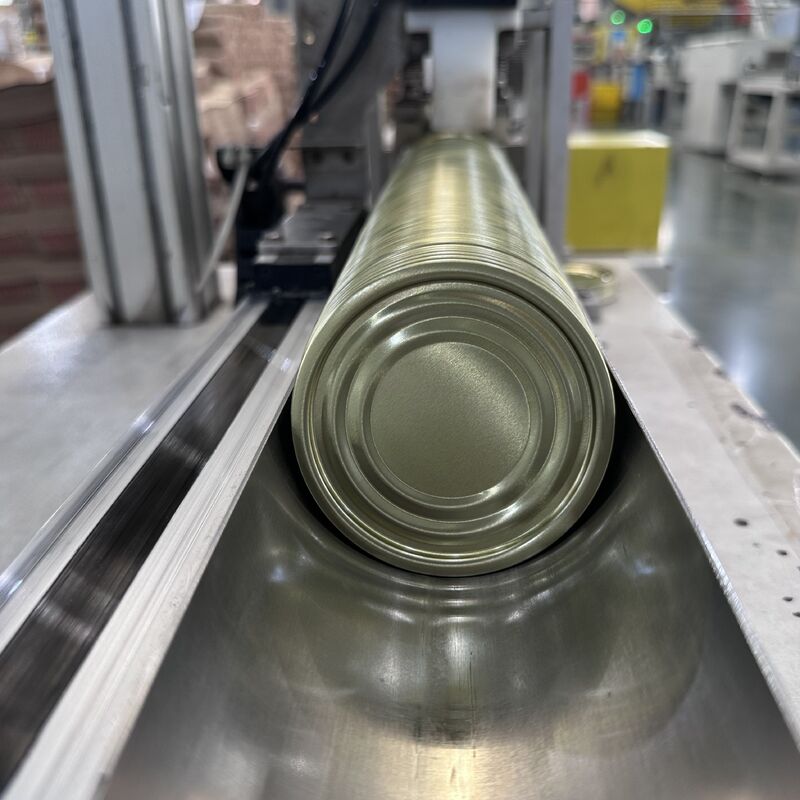
Giới thiệu sản phẩm
Sự an toàn và tuổi thọ của bao bì kim loại phụ thuộc hoàn toàn vào tính toàn vẹn về cấu trúc của các bộ phận đóng của nó. Chất nền cuộn mạ thiếc chuyên dụng của chúng tôi được xử lý với độ chính xác cực cao để sản xuất các đầu và đáy lon tròn đóng vai trò như một lớp bảo vệ quan trọng để bảo quản thực phẩm. Được thiết kế đặc biệt để làm vật liệu cơ bản cho lon thực phẩm, các đầu kim loại này được thiết kế để tạo thành lớp bịt kín, chống hóa chất trên dây chuyền đóng hộp tự động. Bằng cách sử dụng công nghệ mạ thiếc điện phân tiên tiến, thép có hàm lượng carbon thấp được phủ đồng nhất bằng thiếc kim loại tinh chế, tạo ra cấu trúc hỗn hợp đàn hồi giúp giữ cho các vật liệu bên trong không bị suy thoái môi trường.
Không giống như các thành phần đóng gói thông thường dễ bị phản ứng hóa học từ các hợp chất hữu cơ, phần cuối hộp thực phẩm của chúng tôi cung cấp các đặc tính rào cản đặc biệt chống lại công thức sản phẩm bên trong và độ ẩm bên ngoài. Vật liệu này trải qua quá trình thụ động hóa học chuyên biệt để ngăn chặn sự tước axit, làm đen lưu huỳnh và quá trình oxy hóa. Điều này làm cho nó trở thành một giải pháp lý tưởng để đóng các thùng chứa trái cây nhiệt đới có tính axit cao, rau có tính kiềm hoặc protein muối. Cho dù được sử dụng làm nắp trên hay đáy lon hạng nặng, các thành phần này đảm bảo độ ổn định lâu dài của thời hạn sử dụng mà không ảnh hưởng đến màu sắc, mùi thơm hoặc hương vị của các sản phẩm thực phẩm kèm theo.
Tính năng sản phẩm cốt lõi
Thực phẩm của chúng tôi có thể đạt được hiệu suất hiện trường thông qua kỹ thuật luyện kim có mục tiêu và hóa học bề mặt chuyên dụng:
- Lớp phủ cách điện axit và kiềm: Được thiết kế trực tiếp làm vật liệu đóng hộp thực phẩm tiên tiến, lõi thép được bảo vệ bởi hệ thống sơn mài hữu cơ giúp ngăn chặn sự tấn công hóa học từ bột cà chua có tính axit cao, các mặt hàng cam quýt và nước muối kiềm.
- Khả năng chống ăn mòn chống lại độ ẩm xung quanh: Khả năng bảo vệ kép của lớp thiếc kim loại và màng thụ động crom sau mạ ngăn chặn độ ẩm và oxy, ngăn ngừa sự hình thành rỉ sét trong quá trình vận chuyển hàng hải đường dài và lưu trữ trong kho ẩm ướt.
- Đường may và uốn cơ học hoàn hảo: Chất nền thể hiện cấu trúc thớ được tối ưu hóa và độ bền kéo cân bằng, cho phép lớp cong bên ngoài biến dạng hoàn hảo thành đường nối đôi trên đường nối tốc độ cao mà không bị nứt hoặc tách.
- Tính toàn vẹn của nồi chưng cất ở nhiệt độ cao: Kim loại bên dưới và lớp phủ bảo vệ bên trong duy trì độ ổn định tuyệt đối trong quá trình khử trùng bằng nhiệt ở áp suất cao (vượt quá 121°C), đảm bảo không bị phồng rộp, bong tróc hoặc hỏng hóc.
Thông số kỹ thuật Ma trận
| Thông số kỹ thuật | Phạm vi đặc điểm kỹ thuật & Tiêu chuẩn ngành |
| Mẫu cơ sở vật chất | Tấm thiếc điện phân (SPTE) được xử lý từ cuộn dây thiếc |
| Ứng dụng thành phần | Nắp đậy lon tròn vệ sinh / Đầu đáy lon đa năng |
| Đường kính tiêu chuẩn | 50 mm, 52 mm, 73 mm, 83 mm, 99 mm, 153 mm |
| Độ dày vật liệu | 0,16 mm – 0,28 mm |
| Khối lượng lớp phủ thiếc (g/m2) | 2,8/2,8, 5,6/5,6, 2,8/5,6 |
| Hóa học lớp phủ bên trong | Bột nhôm hữu cơ, Epoxy-Phenolic, kháng lưu huỳnh |
| Phong cách hoàn thiện bên ngoài | Sơn mài trơn, trong suốt, sơn mài vàng có độ bóng cao, CMYK in thạch bản |
| Lớp nhiệt độ cơ khí | T2, T3, T4, T5, DR8, DR9 |
| Tuân thủ chất lượng | ISO 11950:1995, JIS G3303, ASTM A623 |

Tại sao khách hàng hợp tác với chúng tôi
Các thương hiệu thực phẩm và nhà máy đóng hộp toàn cầu chọn các thành phần đóng gói của chúng tôi vì chúng tôi cung cấp sự đồng nhất tuyệt đối về nguyên liệu và khả năng dự đoán theo từng mẻ. Chúng tôi kiểm soát quy trình sản xuất bắt đầu trực tiếp từ cuộn Mạ thiếc thô, sử dụng máy móc cân bằng độ căng tiên tiến để đảm bảo các tấm kim loại phẳng hoàn hảo trước khi quá trình dập bắt đầu. Việc kiểm soát độ phẳng này đảm bảo rằng mọi đầu đều có kích thước cong đồng đều và vị trí hợp chất lớp lót chính xác, ngăn chặn tình trạng kẹt dây và giảm thời gian ngừng hoạt động trên dây chuyền ghép nối tốc độ cao tự động.
Hơn nữa, chúng tôi sử dụng hệ thống phát hiện quang học tự động để kiểm tra hình dạng cong và tính nhất quán của lớp sơn trước khi đóng gói. Lớp lót sơn mài bên trong tùy chỉnh của chúng tôi đặc biệt phù hợp với các loại hóa chất thực phẩm khác nhau, loại bỏ các vấn đề như hiện tượng đen sulfua sắt trong các loại thịt và hải sản có hàm lượng protein cao hoặc ăn mòn axit trong các sản phẩm muối chua. Bằng cách chọn vật liệu của chúng tôi, các nhà sản xuất có thể đạt được độ kín tối ưu của đường may, giảm tỷ lệ phế liệu tổng thể và đảm bảo an toàn toàn bộ sản phẩm trong chuỗi cung ứng siêu thị toàn cầu.
Câu hỏi thường gặp (FAQ)
Câu hỏi 1: Làm thế nào để đầu lon của bạn chống lại các thực phẩm có tính axit cao như dứa hoặc cà chua đóng hộp? Câu trả lời 1: Đối với các ứng dụng thực phẩm có hàm lượng axit cao, chúng tôi sử dụng vật liệu đóng hộp thực phẩm có độ tinh khiết cao được phủ một lớp sơn mài bên trong epoxy-phenolic hoặc organosol dày trên nền khối thiếc nặng. Hệ thống bảo vệ hai lớp này hoạt động như một rào cản hóa học trơ, ngăn chặn các axit hữu cơ tiếp xúc với lõi thép và ngăn chặn sự ăn mòn lỗ kim hoặc sự di chuyển mùi vị kim loại.
Câu hỏi 2: Lợi ích của việc sử dụng lớp phủ thiếc vi sai trên cuộn mạ thiếc bên dưới là gì? Câu trả lời 2: Lớp phủ khác biệt cho phép chúng tôi phủ một lớp thiếc nặng hơn ở mặt bên trong (ví dụ: 5,6 g/m2) để chống lại sự ăn mòn hóa học thực phẩm, đồng thời sử dụng lớp thiếc nhẹ hơn, tiết kiệm hơn ở mặt bên ngoài (ví dụ: 2,8 g/m2) để xử lý độ ẩm bên ngoài và ngăn ngừa rỉ sét, tối ưu hóa chi phí sản xuất tổng thể.
Câu hỏi 3: Đầu 99mm và 153mm của bạn có thể khử trùng bằng nồi hấp ở nhiệt độ cao không? A3: Có, hoàn toàn có. Các đầu của chúng tôi được thiết kế để chịu được các quy trình khử trùng thương mại tiêu chuẩn đạt nhiệt độ lên tới 121°C và cao hơn dưới áp suất. Các hợp chất bịt kín chuyên dụng và sơn mài bên trong được xử lý bằng nhiệt để đảm bảo chúng không bị phồng rộp, bong tróc hoặc mất độ bám dính trong hoặc sau khi xử lý.
Câu hỏi 4: Các đầu lon tròn này được đóng gói như thế nào để tránh hư hỏng và ăn mòn khi vận chuyển? A4: Các đầu được xếp thành hàng dày đặc, đồng đều bên trong túi bảo vệ sạch sẽ, không bám bụi. Sau đó, những ống bọc này được đóng gói vào các thùng carton xuất khẩu dạng sóng hạng nặng, xếp chồng lên các pallet gỗ đã được khử trùng gia cố và được bọc hoàn toàn bằng màng co chống ăn mòn hơi nước (VCI) để vận chuyển bằng đường biển.