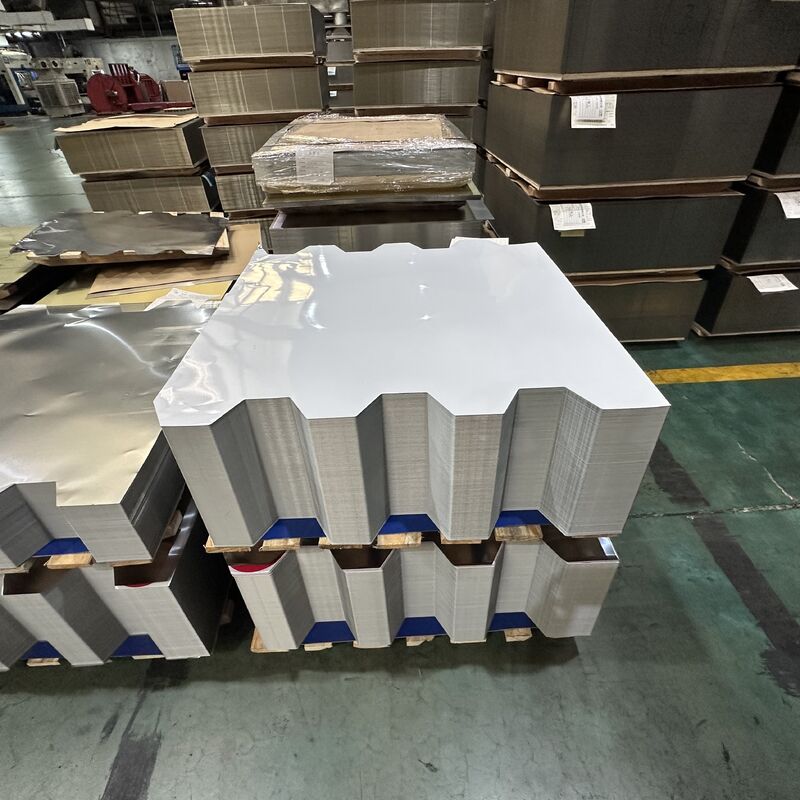
Giới thiệu sản phẩm
Ngành chế biến thực phẩm hiện đại đòi hỏi sự an toàn tuyệt đối và tính toàn vẹn cấu trúc từ đầu đến cuối. Tấm thép mạ thiếc của chúng tôi được thiết kế để hoạt động như một vật liệu làm lon thực phẩm đáng tin cậy, có độ ổn định cao, được thiết kế đặc biệt cho các dây chuyền đóng hộp tự động tốc độ cao. Bằng cách sử dụng công nghệ điện phân tiên tiến, một lớp thiếc nguyên chất, đồng nhất và bảo vệ được liên kết với lõi thép carbon thấp. Sự kết hợp cấu trúc này mang lại cho vật liệu khả năng định hình tuyệt vời, cho phép nó chịu được quá trình kéo, căng và tạo hình cường độ cao mà không bị nứt gãy.
Cho dù được sử dụng cho lon hai mảnh kéo sâu, các bộ phận kéo sâu, hay thân lon ba mảnh hàn truyền thống, các tấm kim loại này cung cấp một rào cản không thể xuyên thủng chống lại các yếu tố bên ngoài. Độ bền cơ học vốn có đảm bảo rằng các thùng chứa đã được làm đầy duy trì độ kín chân không và hình dạng trong suốt quá trình khử trùng nhiệt độ cao, vận chuyển xuyên lục địa và lưu trữ trên kệ kéo dài.
Bảng Thông số kỹ thuật & Thông số kỹ thuật
Để tạo điều kiện căn chỉnh chính xác với các tiêu chuẩn kỹ thuật sản xuất của bạn, chúng tôi cung cấp các cấu hình kích thước và độ cứng có độ chính xác cao.
| Thông số kỹ thuật |
Tiêu chuẩn sản xuất & Năng lực |
| Vật liệu chính |
MR, SPCC, SPTE, đế thép carbon thấp |
| Tiêu chuẩn áp dụng |
JIS G3303, DIN EN10202, ASTM A623M, GB/T2520 |
| Ma trận độ dày |
0,15mm đến 0,48mm (Kiểm soát dung sai chặt chẽ trong phạm vi ±0,01mm) |
| Phạm vi chiều rộng |
600mm đến 1050mm (Có sẵn dịch vụ cắt xẻ) |
| Chỉ định độ cứng |
T1, T2, T3, T4, T5, DR8, DR9 (Tùy chọn xử lý BA & CA) |
| Bề mặt hoàn thiện |
Sáng, Đá, Mờ hoặc Bạc |
| Mật độ lớp mạ thiếc |
1,1/1,1, 2,8/2,8, 5,6/5,6, 8,4/8,4 g/m² (Đồng nhất hoặc Khác biệt) |
| Chất lượng thụ động hóa |
311 Hóa chất Cromat hoặc xử lý không chứa Crom thân thiện với môi trường |
| Bôi dầu bề mặt |
DOS (Dioctyl Sebacate) hoặc bôi dầu tĩnh điện ATBC |

Ứng dụng ngành mục tiêu
Kỹ thuật chính xác đằng sau vật liệu làm lon thực phẩm này làm cho nó trở thành một tài sản linh hoạt trên nhiều lĩnh vực đầy thách thức:
-
Bảo quản thủy sản & Thịt: Lý tưởng cho lon cá mòi, cá ngừ, cá thu, thịt gà và thịt bò hầm nơi vật liệu phải chống lại sự tương tác protein mạnh mẽ.
-
Đóng hộp nông sản: Được sử dụng rộng rãi cho các loại trái cây có tính axit cao (dứa, trái cây có múi, cà chua) và rau có độ ẩm cao (ngô ngọt, đậu Hà Lan, đậu).
-
Đóng gói đồ uống: Tuyệt vời cho lon đồ uống ba mảnh, nắp dễ mở (EOE), nắp vặn và nắp vặn có tai cho đồ uống có ga hoặc nước trái cây.
-
Công nghiệp và Thương mại: Thích hợp cho bình xịt aerosol, thùng chứa hóa chất gia dụng, lon vuông dầu ăn và hộp quà khuyến mãi trang trí.
Khả năng chống ăn mòn & Hiệu suất bảo vệ vượt trội
Một thùng chứa thực phẩm chỉ an toàn bằng các rào cản phòng thủ của nó. Tấm thép mạ thiếc của chúng tôi ngăn ngừa hư hỏng thực phẩm và xuống cấp thùng chứa thông qua một chiến lược bảo vệ hóa học đa tầng nghiêm ngặt:
-
Lớp mạ thiếc điện phân đồng nhất: Ma trận thiếc đồng nhất hoạt động như một cực dương hy sinh, chủ động ngăn chặn thép bên dưới bị oxy hóa và gỉ.
-
Thụ động hóa 311 tiên tiến: Xử lý hóa học chuyên dụng này tạo ra một lớp màng thụ động, siêu nhỏ trên lớp thiếc. Nó ngăn chặn sự phát triển không kiểm soát của oxit thiếc, đảm bảo bề mặt sạch, có thể hàn.
-
Tối ưu hóa liên kết sơn phủ: Bề mặt hoàn thiện được tinh chỉnh để đảm bảo độ bám dính vượt trội với lớp sơn phủ bên trong (như sơn organosol, epoxy-phenolic hoặc lớp phủ BPA-NI). Điều này ngăn chặn axit thực phẩm hoặc hợp chất lưu huỳnh tấn công kim loại trong quá trình xử lý nhiệt, trung hòa hoàn toàn nguy cơ gỉ sét, rò rỉ hoặc đổi màu.
Lợi ích khách hàng: Tại sao chọn cơ sở sản xuất của chúng tôi?
Hợp tác với chúng tôi có nghĩa là đảm bảo chuỗi cung ứng liên tục, minh bạch và được chứng nhận cho nhà máy của bạn:
-
Thập kỷ dẫn đầu về sản xuất: Được thành lập vào năm 2001, nhà máy của chúng tôi hoạt động trên các dây chuyền in và sơn tự động của Nhật Bản Fuji Kikai, đảm bảo độ chính xác hình học tuyệt đối.
-
Tiêu chuẩn chất lượng được chứng nhận: Toàn bộ quy trình sản xuất của chúng tôi được công nhận và xác minh đầy đủ bởi các cơ quan bên thứ ba quốc tế bao gồm SGS, BV và CE.
-
Cơ chế kiểm tra nghiêm ngặt: Mỗi lô hàng đều trải qua các bài kiểm tra cơ học toàn diện, bao gồm độ bền kéo, độ cứng, xác nhận trọng lượng lớp phủ và kiểm tra kéo cốc nghiêm ngặt để đảm bảo giao hàng không có lỗi.
-
Kinh nghiệm hậu cần toàn cầu: Chúng tôi cung cấp bao bì chắc chắn, sẵn sàng vận chuyển đường biển, sử dụng giấy chống ẩm dày và bảo vệ góc bằng thép để ngăn ngừa hư hỏng trong quá trình xử lý.
Tùy chọn tùy chỉnh sâu
Chúng tôi cung cấp các cấu hình tùy chỉnh để giảm thiểu vật liệu phế liệu và giảm chi phí sản xuất tổng thể cho nhà máy của bạn:
-
Lớp mạ thiếc khác biệt: Tiết kiệm chi phí nguyên liệu thô bằng cách chỉ định lớp thiếc mỏng hơn cho mặt ngoài khô và lớp dày hơn cho mặt trong ướt (ví dụ: 2,8/5,6 g/m²).
-
In thạch bản tùy chỉnh: Xưởng in chuyên dụng trong nhà của chúng tôi cung cấp khả năng tái tạo màu có độ trung thực cao, chịu nhiệt cao dựa trên tài sản thương hiệu của bạn.
-
Kích thước & Độ cứng linh hoạt: Chúng tôi cắt theo kích thước cuộn hoặc tấm hình chữ nhật chính xác theo bố trí dây chuyền cắt khuôn hoặc máy làm thân của bạn.
Câu hỏi thường gặp: Các câu hỏi thường gặp
Hỏi: Tại sao việc lựa chọn mác thép (như loại MR) lại quan trọng đối với bao bì thực phẩm?
Đáp: Mác thép MR (Tàn dư luyện kim) đặc biệt có hàm lượng các nguyên tố vi lượng dư như đồng và niken thấp. Độ tinh khiết hóa học này mang lại khả năng chống ăn mòn bên trong từ thực phẩm có tính axit tối đa, làm cho nó trở thành lựa chọn an toàn nhất trên toàn cầu cho bao bì tiêu dùng của con người.
Hỏi: Tấm thép mạ thiếc của bạn có thể chịu được ứng suất nhiệt của quá trình khử trùng bằng nồi hấp/nồi hấp không?
Đáp: Có. Vật liệu được thiết kế để chịu được nhiệt độ nồi hấp cao (lên đến 121°C hoặc cao hơn) dưới áp suất mà không bị bong tróc, phồng rộp hoặc biến dạng cấu trúc, miễn là lớp sơn phủ bên trong phù hợp được áp dụng.
Hỏi: Lợi ích của việc sử dụng lớp mạ thiếc khác biệt là gì?
Đáp: Lớp mạ khác biệt cho phép bạn tiết kiệm tiền. Ví dụ, bên trong lon thực phẩm có thể cần mật độ lớp phủ cao 5,6 g/m² để chống lại thực phẩm ăn mòn, trong khi bên ngoài chỉ cần 2,8 g/m² vì nó sẽ được sơn phủ hoặc bảo quản trong kho khô.
Hỏi: Số lượng đặt hàng tối thiểu (MOQ) và thời gian giao hàng điển hình là bao nhiêu?
Đáp: MOQ sản xuất tiêu chuẩn của chúng tôi là 25 tấn (một container 20ft). Thời gian giao hàng được thương lượng dựa trên các yêu cầu in ấn và kích thước cụ thể của bạn, thường trung bình từ 20 đến 30 ngày kể từ khi ký duyệt kỹ thuật cuối cùng.